
Table of Contents
What Is National Debt?
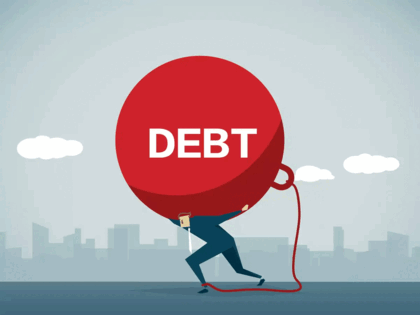
National debt is the total amount of money a government owes to lenders, including citizens, banks, and foreign countries. It’s like the government’s loan that is borrowed to fund projects, infrastructure, social programs, or even cover budget gaps.
How Does It Affect the Economy?
Interest Rates: High national debt can push interest rates higher, making loans costlier for everyone, reducing the money supply in the economy.
Inflation Risk: To repay debt, governments might print more money, which can increase prices of goods and services.
Government Spending: More debt can limit funds for development projects or social programs.
How Does It Affect You?
Even if you’re just a middle-class normal citizen, national debt touches your life:
- Taxes: To pay interest on debt, taxes may rise.
- Cost of Living: Inflation or higher borrowing costs can affect prices of everyday items and loans.
- Job Opportunities: Government spending patterns can influence employment and economic growth.
Conclusion
National debt is more than just a number on a report – it’s a tool government use to manage the economy, but it comes with consequences. Understanding it helps you make sense of economic news, personal finance, and how policies affect your everyday life