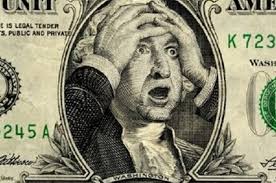
For decades, the US dollar has been the backbone of global trade, finance, and foreign reserves. Almost every major international transaction from oil trade to debt settlements – relied on the dollar. But in the past few years, a new trend has gained momentum: Dedollarisation.
Countries around the world are exploring ways to reduce their dependence on the US dollar. But why is this happening? And how far can it really go?
Table of Contents
What Is Dedollarisation?
Dedollarisation refers to the process where countries reduce the use of the US dollar in:
- International trade
- Foreign exchange reserves
- Cross-border payments
- Financial markets
Instead, they try to use local currencies or alternative global currencies.
Why Are Countries Trying to Move Away from the Dollar?
- US Sanctions & Geopolitical Pressure
The US can block countries from using the dollar-based financial system (like SWIFT) anytime it wants to. Nations like Russia, Iran, and China want to avoid this vulnerability.
- Dominance of the Dollar Makes Economies Risky
A strong dollar hurts developing countries – making imports expensive, raising interest costs on USD loans, and causing inflation.
- Rise of New Global Powers
China’s economic rise, the growing BRICS group, and discussions about a BRICS currency have pushed the idea of alternative systems against dollar.
- Efforts to Strengthen Local Currencies
Countries want more monetary independence instead of being tied to the Federal Reserve’s policies.
Recent Developments in Dedollarisation
BRICS Expansion
BRICS added new members like Saudi Arabia, UAE, Egypt, Iran many of whom are major oil exporters. They are openly discussing conducting oil trade in non-dollar currencies.
India’s Push for Rupee Trade
India has signed agreements with several countries to settle trade in INR. This helps reduce dollar dependence and stabilises foreign exchange pressures.
China’s Yuan Strategy
China is aggressively promoting the yuan in global trade, especially through the Belt and Road Initiative.
Russia Shifting to Yuan & Ruble
Due to sanctions, Russia now uses the Chinese yuan for most of its import payments.
Will Dedollarisation Really Replace the Dollar?
Not anytime soon.
The dollar still dominates:
- 58% of global forex reserves
- 88% of global currency trades
- Most global debt and commodity pricing
No other currency currently offers the same stability, liquidity, or trust.
What Does All This Mean for India?
India stands to benefit by:
- Reducing import costs during a strong dollar cycle
- Strengthening the rupee internationally
- Creating new global partnerships
- Gaining more monetary independence
But challenges remain – such as trade deficits, weaker rupee reserves, and limited global acceptance of INR.
Conclusion
Dedollarisation is real—but slow.
The world is “diversifying,” not “abandoning” the dollar. The US dollar will remain dominant for now, but the shift has begun, and countries are preparing for a more multi-currency world.
As global power balances shift, the next decade will tell whether dedollarisation becomes a transformation – or just a trend.
MY POV
In my view, the main push toward dedollarisation didn’t start because countries suddenly realised the dollar was dominant. The US dollar has been the world’s leading currency for decades, and nations have always known they were heavily dependent on it.
What truly changed was the fear that this dependence could turn risky.
This fear became real during the Trump administration. Trump’s sudden, drastic, and unpredictable policy shifts – such as unexpected tariff hikes, trade wars, and the breakdown of long-term agreements – forced countries to confront how vulnerable they were to U.S. decisions. For the first time, even America’s closest allies faced economic uncertainty due to rapid policy changes.
This experience acted as a wake-up call. Countries understood that if the U.S. could alter trade rules overnight, then relying too much on the dollar exposed them to the political mood of one nation.
📌Author’s Note:
This blog is not just research — it’s a step in my journey toward working with global institutions like the IMF and World Bank.
Stay tuned and grow with me