Table of Contents
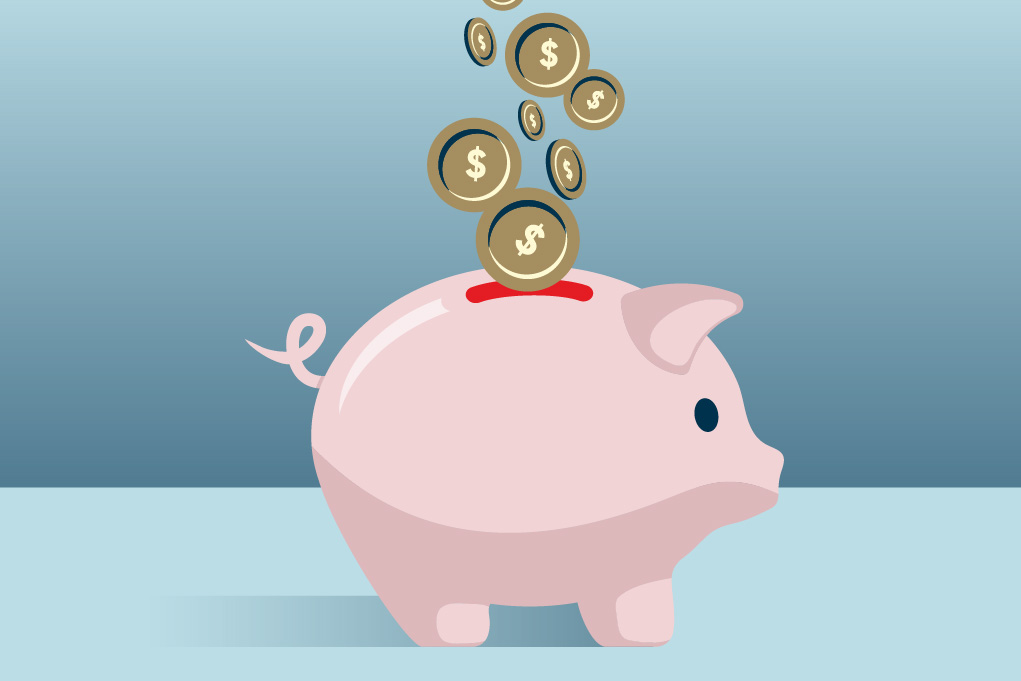
People usually do not say “I don’t want to save money”, instead they say “I will start saving from the next month” and strangely that “next month” never comes. That is where behavioral economics enters.
Main Psychological Reasons Behind It
Optimism Bias
Being optimistic is a human tendency, people believe that,
- “Next month I’ll be more disciplined.”
- “Next month expenses will reduce.”
- “Next month I’ll finally control spending.”
But in reality, the future-you is imagined as a more responsible human than present-you and whatever you think you will definitely do in future never happens.
Pain of Paying
Saving feels like a loss in the short term. Your brain signals at less spending, less pleasure and less freedom that makes it hard for you to save. So emotionally:
Saving ≠ gain
Saving = sacrifice
That’s why spending feels rewarding while saving feels restrictive.
The “Fresh Start Effect”
We all have those moments where we wait for perfect time count, auspicious day, next month or next year etc. because humans love symbolic restart points. “Next month” becomes a psychological escape hatch. It removes guilt temporarily without requiring action today. And that’s the dangerous part.
Mental Accounting
People psychologically separate money into categories such as, salary money, bonus money, “extra” money and, vacation money. This creates excuses like: “This month was special”. And every month somehow becomes “special”.
CONCLUSION
The biggest obstacle to saving money is usually not low income.
It is the illusion that our future self will automatically become more disciplined than our present self.